
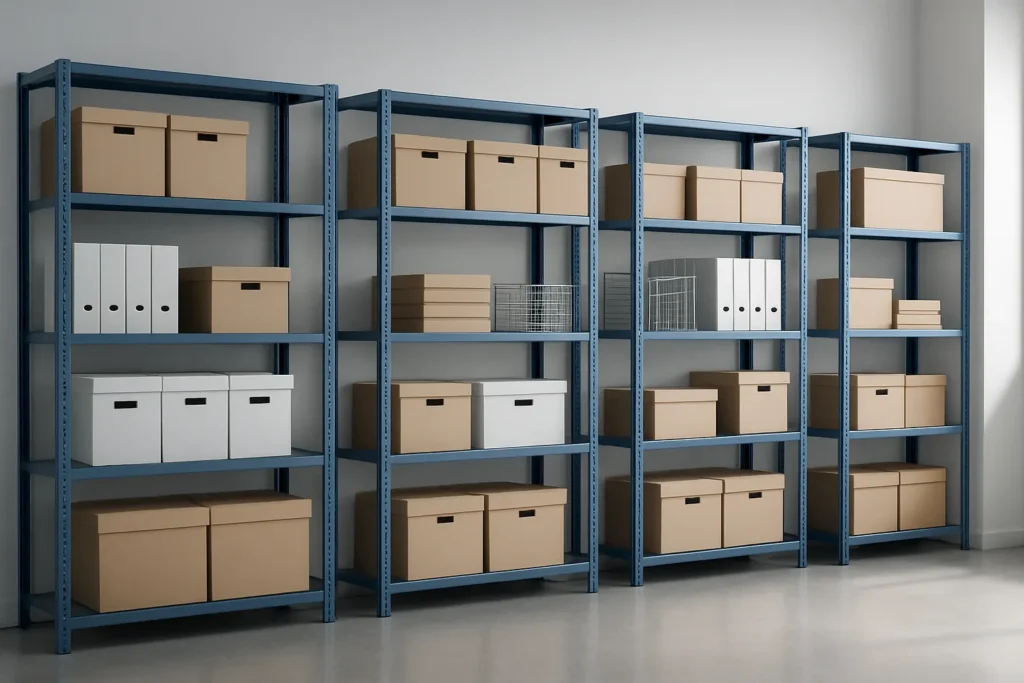
Maximize Your Space with Multi-Tier Storage Racks for Efficient Organization
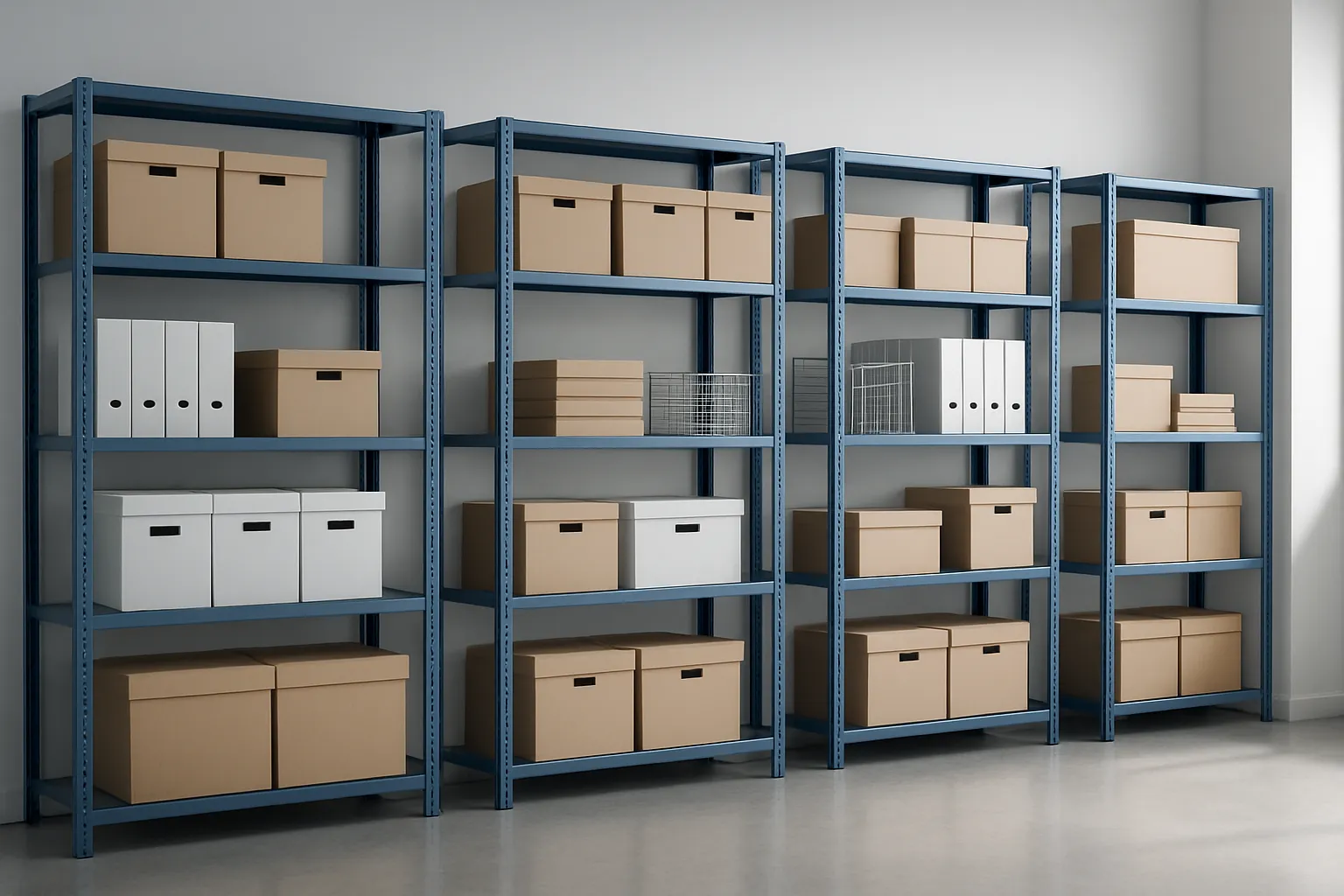
1. Introduction to Multi-Tier Storage Racks
In today’s fast-paced business environment, organizations are constantly seeking innovative ways to optimize operations and maximize their available space with multi-tier storage racks. These multi-tier storage racks have emerged as a crucial solution for achieving efficient storage systems. Specifically designed to utilize vertical space effectively, they enable businesses to store more items without needing to expand their physical footprint. By incorporating multi-tier storage racks into your workspace, you can significantly enhance organization, improve accessibility, and streamline inventory management.
2. Specifications of Multi-Tier Storage Racks
When considering multi-tier storage racks, understanding their specifications is vital to choosing the right solution for your needs.
Material Options
Multi-tier storage racks are available in a variety of materials, including steel, aluminum, and plastic. Steel racks are renowned for their durability and high weight capacity, making them ideal for heavy-duty applications. In my experience, aluminum racks, while lighter, offer excellent corrosion resistance, making them suitable for environments with moisture. Plastic racks, on the other hand, are lightweight and often used for smaller items or in settings where rust is a concern.
Weight Capacity
Weight capacity is a critical factor when selecting multi-tier storage racks. Depending on the material and design, these racks can support anywhere from a few hundred to several thousand pounds. It’s essential to assess the weight of the items you plan to store to ensure that the chosen rack can handle the load safely.
Size and Dimensions
Multi-tier storage racks come in various sizes and dimensions to accommodate diverse spaces and storage needs. Standard heights can range from 6 to 12 feet, while widths and depths vary based on the specific design. Custom sizing options are also available to fit unique spaces, ensuring that every inch of your area is utilized effectively.
3. Use Cases for Multi-Tier Storage Racks
Multi-tier storage racks serve a multitude of purposes across various industries, making them a versatile choice for efficient storage systems.
Warehousing Solutions
In warehouses, multi-tier storage racks are essential for maximizing vertical space. They allow for systematic organization of inventory, enabling quick access to products and improving order fulfillment efficiency. These racks can be configured to accommodate different types of goods, from pallets to smaller items.
Retail Environments
Retail stores benefit from multi-tier storage racks by effectively displaying products while keeping stock organized. These racks can enhance the shopping experience by making items more accessible to customers and streamlining restocking processes for employees.
Manufacturing Facilities
In manufacturing settings, multi-tier storage racks are used to store raw materials, tools, and finished products. They help maintain an orderly workspace, reduce clutter, and improve workflow, which is critical in maintaining operational efficiency.
4. Comparing Multi-Tier Storage Racks
When selecting multi-tier storage racks, it’s essential to compare different types to find the best fit for your needs.
Different Types of Racks
Common types of multi-tier storage racks include boltless racks, pallet racks, and shelving units. Boltless racks are easy to assemble and disassemble, making them ideal for dynamic environments. Pallet racks are designed for heavy loads and are commonly used in warehouses. Shelving units provide flexibility for various items and can be adjusted to different heights.
Pros and Cons of Each Type
Each type of rack has its advantages and disadvantages. For instance, boltless racks are user-friendly but may not support as much weight as pallet racks. Pallet racks excel in heavy-duty storage but can be more expensive. Shelving units offer versatility but may require more frequent reorganization. From what I have seen, it’s crucial to weigh these factors based on your specific needs.
Cost Considerations
Cost is a significant factor when purchasing multi-tier storage racks. Prices can vary based on material, design, and supplier. It’s advisable to consider the long-term value and durability of the racks rather than just the upfront cost.
5. Sourcing Multi-Tier Storage Racks
Finding the right supplier for multi-tier storage racks is crucial for ensuring quality and reliability.
Finding Reliable Suppliers
Researching suppliers is the first step in sourcing multi-tier storage racks. Look for companies with a solid reputation, positive customer reviews, and a history of delivering quality products. Attending industry trade shows can also provide valuable insights and connections.
Evaluating Quality and Durability
When evaluating potential suppliers, it’s important to inspect the quality and durability of their racks. Request samples or visit their facilities to assess their manufacturing processes. High-quality materials and robust construction are essential for long-term use.
Understanding Pricing Models
Understanding the pricing models of different suppliers can help you make an informed decision. Some may offer bulk discounts, while others might provide financing options. It’s essential to clarify all costs involved, including shipping and installation fees.
6. Implementation of Multi-Tier Storage Racks
Once you have sourced your multi-tier storage racks, proper implementation is key to maximizing their effectiveness.
Planning Your Space
Before installation, carefully plan your space. Consider the flow of operations, accessibility, and safety regulations. A well-thought-out layout can significantly enhance the efficiency of your storage system.
Installation Tips
When installing multi-tier storage racks, follow the manufacturer’s instructions closely. Ensure that the racks are level and securely anchored to prevent tipping. It may be beneficial to involve professionals for larger installations to ensure safety and compliance.
Maintenance Best Practices
Regular maintenance is crucial for the longevity of your multi-tier storage racks. Inspect them periodically for signs of wear or damage and address any issues promptly. Keeping the racks clean and organized will also enhance their functionality.
7. Frequently Asked Questions
How to Choose the Right Rack?
Choosing the right rack involves assessing your storage needs, weight requirements, and available space. Consider the types of items you will store and select a rack that accommodates those specifications.
What are the Safety Standards?
Safety standards for storage racks vary by region and industry. It’s essential to comply with local regulations and guidelines to ensure safe usage. Regular inspections and adherence to safety protocols are also critical.
Can Multi-Tier Racks Be Customized?
Yes, many suppliers offer customization options for multi-tier storage racks. This can include specific dimensions, additional features, or unique materials tailored to your operational needs.
Conclusion
In summary, multi-tier storage racks are an invaluable asset for businesses looking to maximize their space and improve organization. By understanding their specifications, use cases, and sourcing options, you can implement an efficient storage system that enhances productivity and operational efficiency. Whether in a warehouse, retail environment, or manufacturing facility, investing in multi-tier storage racks is a strategic move toward achieving better organization and efficiency.