
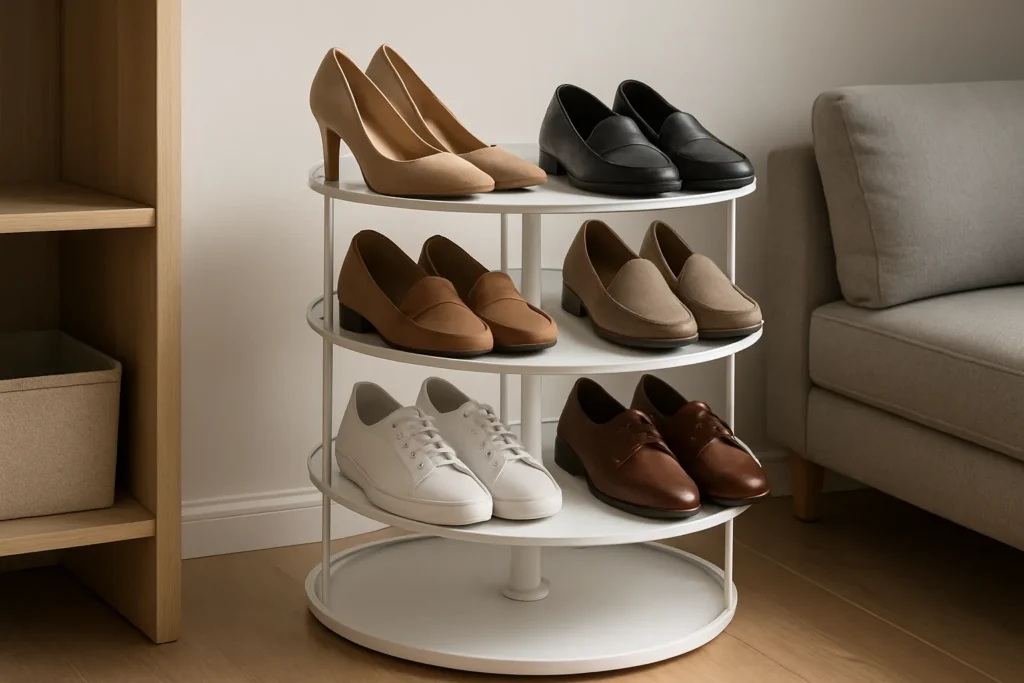
Essential Guide to Choosing a Rotating Shoe Rack for Beginners
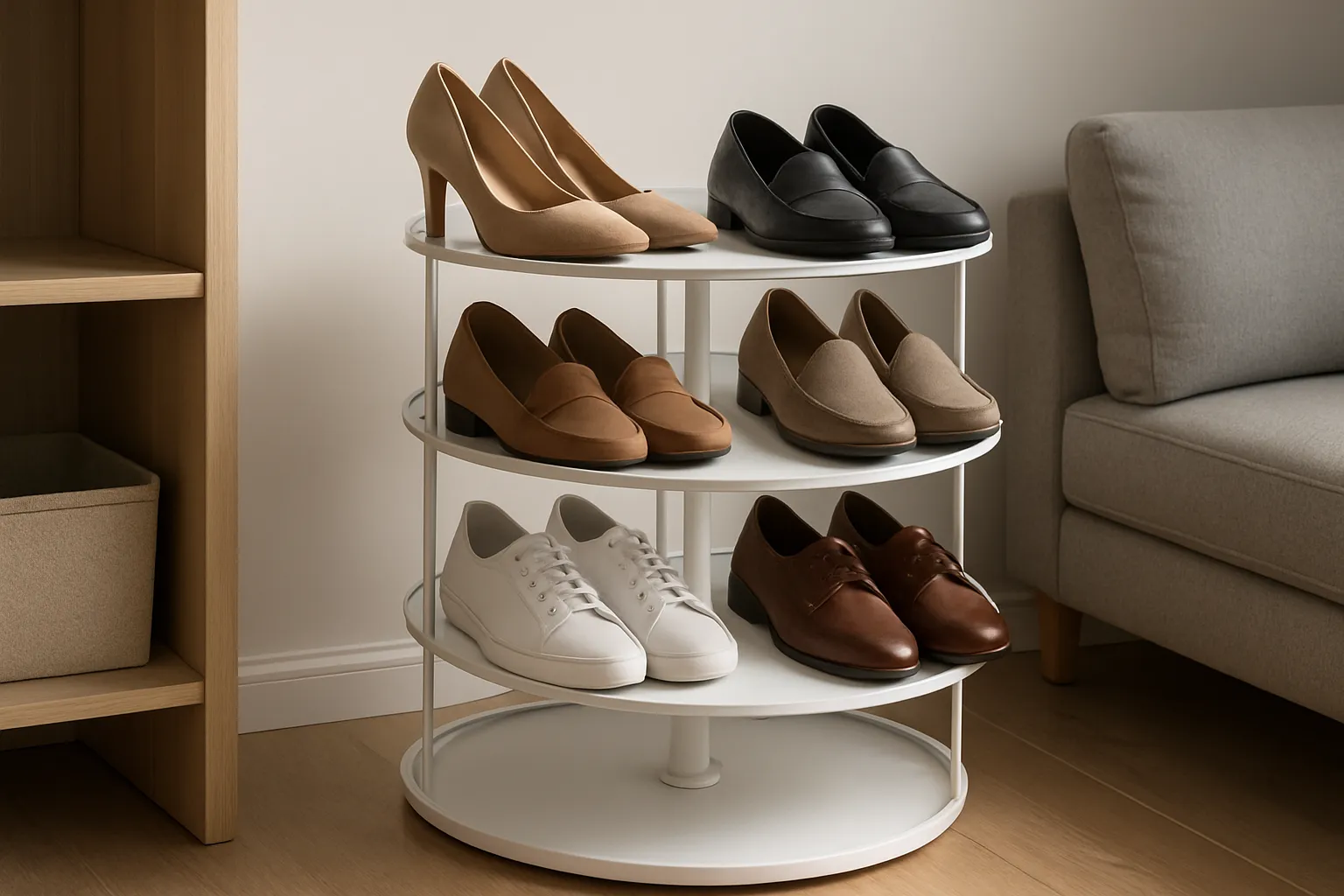
Choosing the right rotating shoe rack can enhance your space efficiency and simplify your footwear organization. For beginners, the variety of options may seem overwhelming, but focusing on key factors can simplify your decision. Prioritize features like size, material, and design to ensure the rack meets your needs and complements your home decor.
Understanding common pitfalls is essential. Many first-time buyers overlook the capacity and stability of the rack, leading to disappointment. Additionally, considering your personal style and the types of shoes you own will help you select a product that serves its purpose while fitting your aesthetic preferences.
In the following sections, we will guide you through steps to choose the right rotating shoe rack, compare popular models, and highlight common mistakes to avoid.
Steps to Choose the Right Rotating Shoe Rack
Start by assessing your available space and shoe collection. Measure the area where you plan to position the rack to ensure it can accommodate the size of the unit you prefer. If you have a small entryway, a compact model will be more suitable than a larger one.
Next, consider how many pairs of shoes you need to store. Count your shoes and think about their sizes. If you often buy new shoes or have a growing collection, opt for a rack that offers extra capacity. Many rotating racks have adjustable shelving, beneficial for storing different types of footwear, from sneakers to high heels.
Check for smooth rotation functionality. A unit that rotates easily allows you to access your shoes without hassle. Look for models with a sturdy base and a well-designed mechanism. A common mistake is choosing a rack that looks good but lacks stability; ensure it can support the weight of your collection.
Finally, think about how the shoe rack will fit into your decor. Select a finish and style that complements your existing furnishings. By following these steps, you can confidently select a rotating shoe rack that meets your functional needs and aesthetic preferences.
Comparison of Popular Rotating Shoe Racks
When selecting a rotating shoe rack, compare various models to find one that fits your needs in terms of size, capacity, materials, and price. Here’s a comparison of several popular rotating shoe racks:
| Model Name | Shelf Height | Max Shoe Size | Material | Durability | Price Range |
|---|---|---|---|---|---|
| Model A | 6 inches | Men’s 13 | Plastic | Medium | $50-$70 |
| Model B | 8 inches | Women’s 10 | Wood | High | $80-$120 |
| Model C | Adjustable | Men’s 12 | Metal | High | $100-$150 |
| Model D | 7 inches | Unisex 11 | Composite | Medium | $60-$90 |
Key Comparisons
- Shelf Height: Ensure the shelf height matches the types of shoes you own. If you frequently wear high-top sneakers or boots, a model with adjustable shelves may be more beneficial.
- Maximum Shoe Size: Check the maximum shoe size each rack can accommodate. Some racks may not fit larger sizes comfortably, leading to wear and tear over time.
- Material Quality: Durability varies by material. Wood and metal racks often last longer than plastic alternatives but come with higher price tags.
Common Mistakes to Avoid When Buying a Rotating Shoe Rack
Beginners often overlook crucial factors that can lead to dissatisfaction. One common mistake is not thoroughly checking the dimensions. A rack may look appealing in pictures but could be too large or small for your designated space. Always measure your space before making a purchase to ensure a good fit.
Another pitfall is neglecting the weight capacity. Some racks are designed to hold only a limited number of shoes, which might not be sufficient for avid collectors. Look for racks with higher weight limits and read reviews to verify their durability.
Additionally, many buyers prioritize aesthetics and overlook functionality. While a stylish design can enhance your decor, it should not compromise usability. Pay attention to user feedback about the rack’s functionality.
In summary, to avoid these common mistakes, always measure your space, confirm the weight capacity, and balance design with practicality.
Frequently Asked Questions About Rotating Shoe Racks
When choosing a rotating shoe rack, beginners often have several common questions. Understanding these can simplify your decision-making process.
Assembly Difficulty Most rotating shoe racks come with straightforward instructions, often requiring only basic tools. Set aside dedicated time for assembly, especially if you’re handling a larger unit.
Maintenance Tips Maintenance is generally minimal. Regular dusting and occasional cleaning with a damp cloth will keep your shoe rack looking new.
Suitability for Different Shoe Types Rotating racks are versatile, but not all are suitable for every shoe type. Measure your shoes and compare with the rack’s dimensions before purchasing.
Common Concerns Check the specifications; most racks can support a certain weight per shelf. Overloading can lead to structural damage or instability. Always follow the manufacturer’s guidelines to avoid disappointment.
By addressing these frequently asked questions, you can approach your purchase with confidence. A rotating shoe rack not only saves space but also keeps your footwear organized and accessible.