In today’s competitive marketplace, efficiency and space utilization are critical for businesses looking to optimize their operations. For wholesale suppliers, maximizing storage capacity with multi-tier shelves while maintaining accessibility and organization is paramount. One effective solution is the use of multi-tier shelves. These versatile shelving units not only enhance storage capabilities but also improve the overall workflow in warehouses and retail environments. In this guide, we will explore the features, specifications, and benefits of multi-tier shelves, helping wholesale suppliers make informed decisions for bulk purchases.
Maximizing Storage Efficiency with Multi-Tier Shelves
Understanding Multi-Tier Shelves
Definition and Features
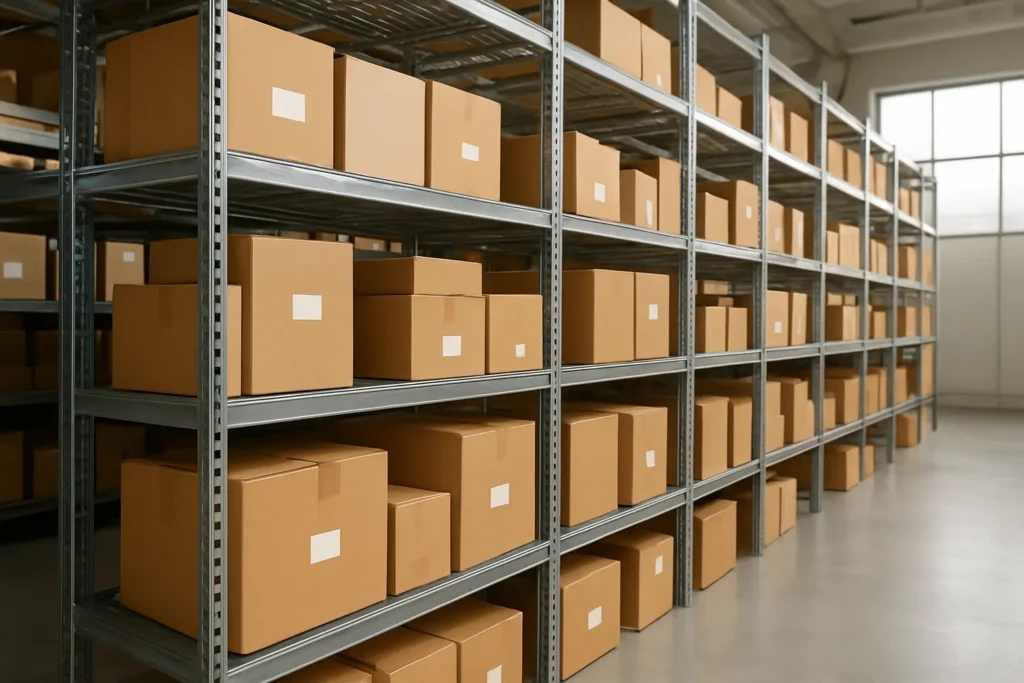
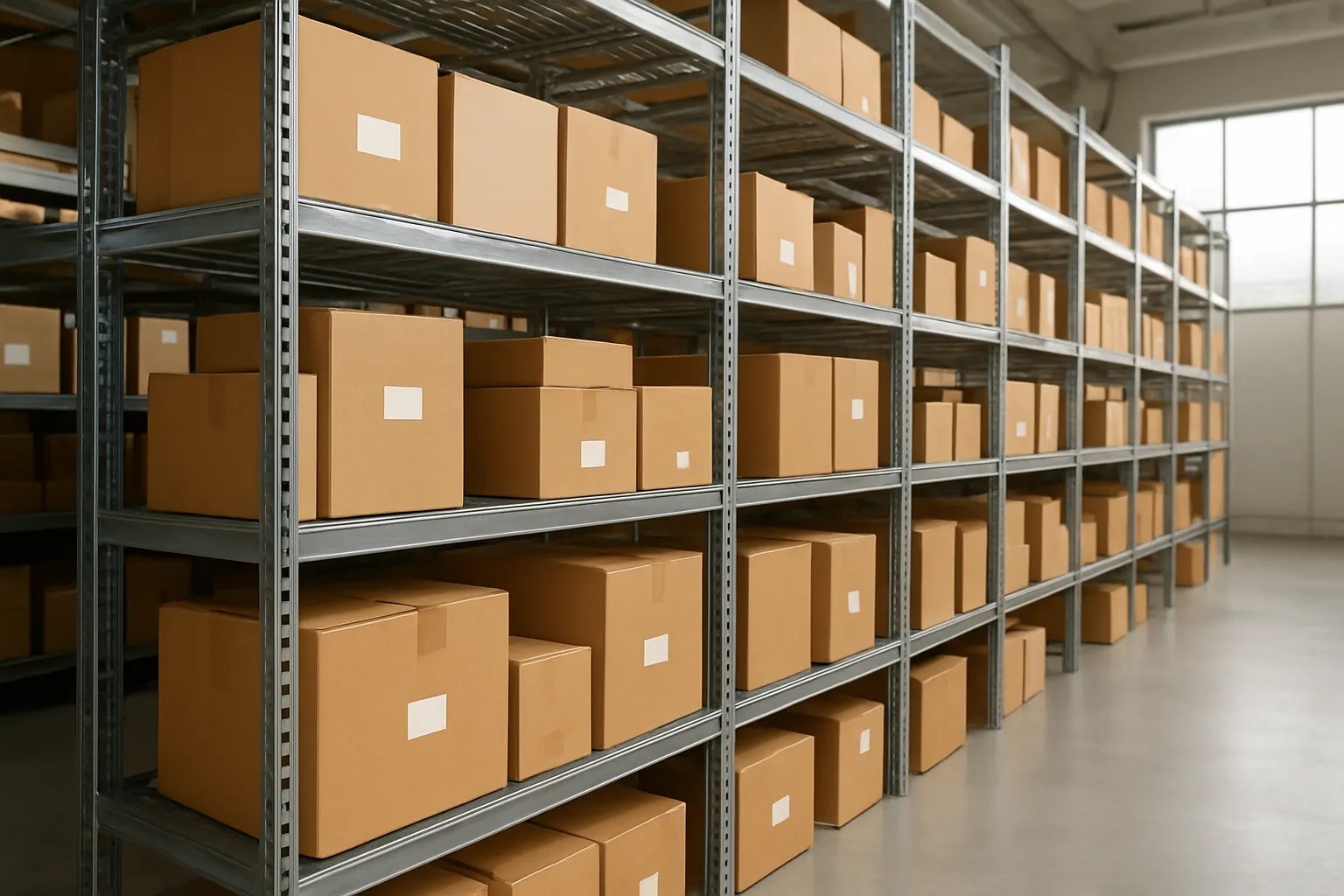
Multi-tier shelves are shelving systems designed with multiple levels or tiers to maximize vertical space. Typically constructed from durable materials, these shelves can accommodate a variety of products, from small items to larger boxes. Key features include adjustable shelving heights, modular designs, and the ability to support heavy loads, making them ideal for different storage needs.
Benefits for Wholesale Suppliers
For wholesale suppliers, the primary benefit of multi-tier shelves lies in their ability to enhance storage efficiency. By utilizing vertical space, businesses can store more products without expanding their physical footprint. This not only reduces operational costs but also improves inventory management, allowing for quicker access to products. Furthermore, multi-tier shelves can be customized to fit specific product types, ensuring that items are stored safely and securely.
Specifications of Multi-Tier Shelves
Material Options
Multi-tier shelves come in various materials, including steel, wood, and plastic. Steel shelves are known for their strength and durability, making them suitable for heavy-duty applications. Wooden shelves offer a more aesthetic appeal and are often used in retail settings. Plastic shelves, while lightweight, are ideal for lighter items and environments where corrosion is a concern.
Load Capacity
The load capacity of multi-tier shelves varies significantly based on the material and design. It’s essential to assess the weight of the items to be stored and select shelves that can safely accommodate that weight. Heavy-duty options can support thousands of pounds, while lighter models are better suited for smaller, less cumbersome products.
Size and Configuration
Multi-tier shelves are available in various sizes and configurations to suit different spaces and needs. Custom configurations can be designed to fit specific warehouse layouts, ensuring optimal use of available space. When choosing the right size, consider both the height and depth of the shelves to ensure they align with your storage requirements.
Use Cases for Multi-Tier Shelves
Warehousing Solutions
In warehousing environments, multi-tier shelves are invaluable for organizing large quantities of products. They facilitate efficient picking processes and can be configured to accommodate various types of inventory, from pallets to individual items. This organization helps streamline operations and reduce time spent searching for products.
Retail Display
For retail suppliers, multi-tier shelves provide an excellent solution for product display. They allow businesses to showcase a wider range of products in a compact space, enhancing customer experience and encouraging sales. The adjustable nature of these shelves means that they can be easily reconfigured for seasonal promotions or new product lines.
Industrial Applications
In industrial settings, multi-tier shelves are often used for storing tools, parts, and equipment. Their robust construction ensures that they can withstand the rigors of an industrial environment while keeping items organized and easily accessible for workers.
Comparing Multi-Tier Shelves
Different Types of Multi-Tier Shelves
There are several types of multi-tier shelves, including static, mobile, and modular systems. Static shelves are fixed and provide stable storage, while mobile shelves can be moved to create more space when needed. Modular systems offer flexibility, allowing businesses to expand or reconfigure their storage solutions as requirements change.
Cost Analysis
When evaluating multi-tier shelves, it’s crucial to consider the initial investment against long-term benefits. While some options may appear less expensive upfront, investing in high-quality, durable shelves can lead to lower maintenance costs and longer lifespans, ultimately saving money over time.
Durability and Maintenance
Durability is a key factor when selecting multi-tier shelves, especially for high-traffic areas. Steel shelves generally offer superior durability and require minimal maintenance compared to wood or plastic options. Regular inspections and maintenance are essential to ensure safety and longevity, regardless of the material used.
Sourcing Multi-Tier Shelves
Finding Reliable Wholesale Suppliers
Identifying reliable wholesale suppliers is crucial for securing high-quality multi-tier shelves. Research potential suppliers by checking their reputation, customer reviews, and the range of products they offer. Attending trade shows and industry events can also provide valuable networking opportunities.
Evaluating Supplier Credentials
Before finalizing a supplier, evaluate their credentials, including certifications and compliance with industry standards. A reputable supplier should provide clear information about their manufacturing processes and quality control measures.
Negotiating Bulk Purchase Deals
Negotiating bulk purchase deals can lead to significant cost savings. Discuss pricing, delivery options, and warranties to ensure you receive the best value for your investment. Establishing a long-term relationship with a supplier can also lead to better terms and support in the future.
Implementing Multi-Tier Shelves in Your Business
Planning Your Space
Effective implementation of multi-tier shelves begins with careful planning. Assess your available space and determine the best configuration for your specific needs. Consider factors such as accessibility, flow of goods, and safety regulations when designing your shelving layout.
Installation Tips
Proper installation is critical for the safety and functionality of multi-tier shelves. Follow the manufacturer’s instructions closely and ensure that the shelves are anchored securely. Using professional installation services can also help mitigate risks associated with improper setup.
Safety Considerations
Safety should always be a top priority when implementing multi-tier shelves. Regularly inspect shelves for signs of wear or damage, and ensure that they are loaded according to the specified weight limits. Provide training for staff on safe loading practices to prevent accidents.
Frequently Asked Questions
Common Concerns
Many businesses have concerns regarding the stability and safety of multi-tier shelves. Addressing these concerns involves ensuring compliance with safety standards and providing adequate training for employees on proper usage.
Maintenance Queries
Maintenance is often a concern for suppliers considering multi-tier shelves. Regular cleaning and inspections can help maintain their condition and extend their lifespan. Suppliers should also be aware of any specific maintenance requirements based on the shelf material.
Customization Options
Customization is frequently sought by businesses looking to tailor multi-tier shelves to their specific needs. Many suppliers offer customizable options, including adjustable heights, additional accessories, and specific finishes to match branding.
In conclusion, multi-tier shelves represent a valuable investment for wholesale suppliers looking to maximize their storage capabilities and improve operational efficiency. By understanding their features, specifications, and potential applications, businesses can make informed decisions that lead to enhanced productivity and profitability. For further insights, you can refer to this industry reference on multi-tier shelves.