
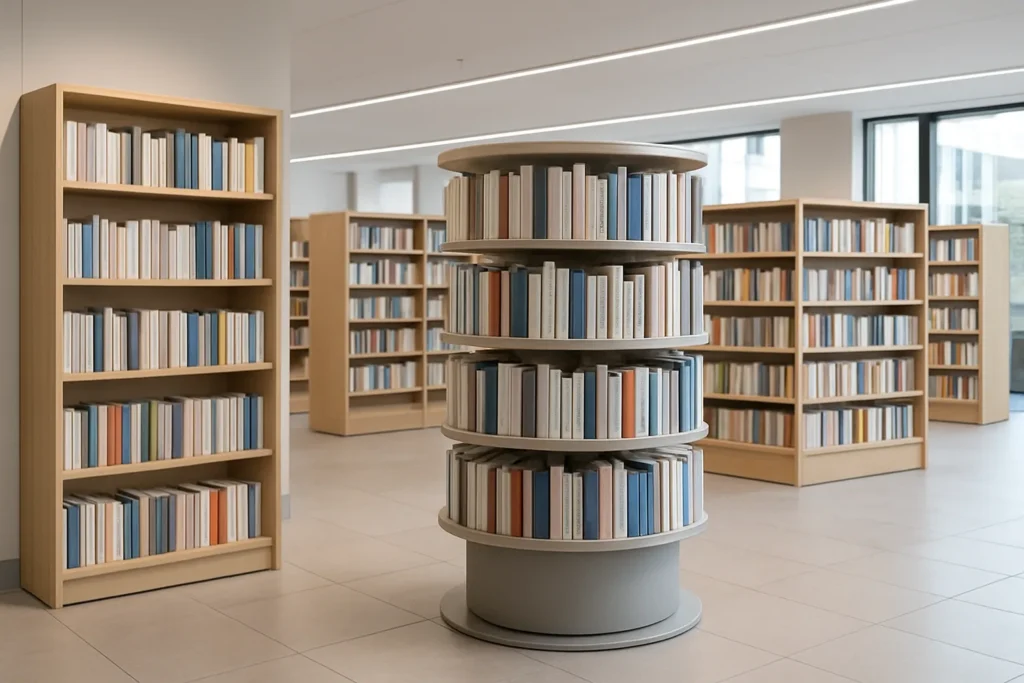
In the ever-evolving landscape of retail, effective storage solutions, such as rotating bookshelves, are vital for enhancing customer experience and optimizing available space. One innovative approach that has gained significant traction is the use of rotating bookshelves. These dynamic storage systems maximize space while improving product accessibility and visibility. In this article, we will delve into the numerous benefits of rotating bookshelves, exploring their specifications, use cases, and how they compare to traditional storage solutions in retail environments.
Benefits of Rotating Bookshelves for Retail Storage Solutions
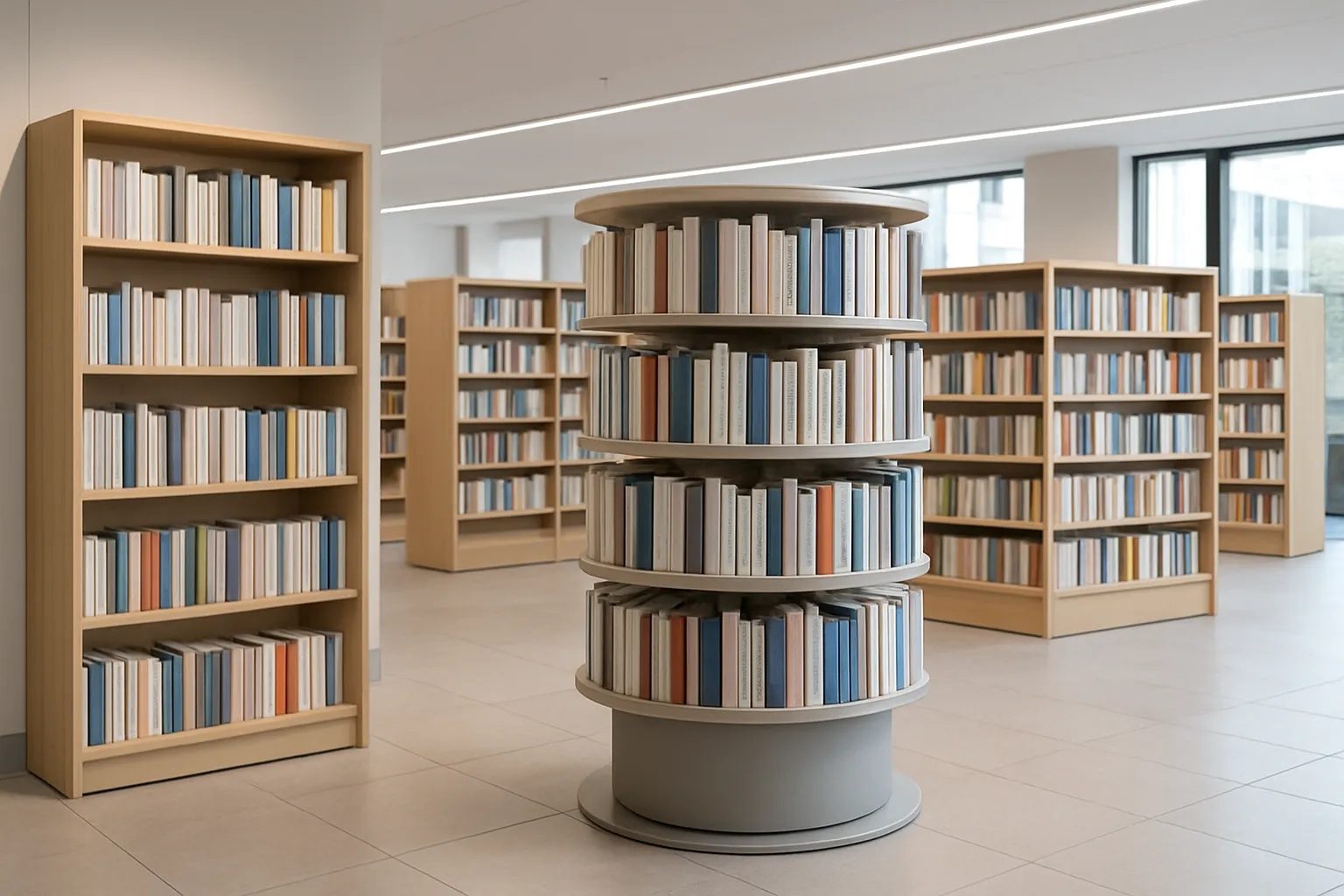
Specifications of Rotating Bookshelves
Rotating bookshelves are available in various materials, each offering unique advantages. Common choices include wood, metal, and durable plastics. From my perspective, wood provides a classic aesthetic that can elevate the ambiance of any retail space, while metal offers a sleek, industrial look with superior durability.
When it comes to size and capacity, rotating bookshelves can be tailored to fit specific retail needs. They range from compact models perfect for small boutiques to larger units designed for extensive product lines. Features such as adjustable shelves, locking mechanisms, and smooth rotation capabilities enhance their utility, allowing retailers to customize displays according to changing demands.
Use Cases in Retail
Rotating bookshelves excel in maximizing floor space—an essential element of retail success. By utilizing vertical space and allowing easy access to multiple sides of products, these systems create a more efficient layout that encourages exploration and interaction. In my experience, this not only enhances the shopping experience but also fosters a connection between customers and products.
Moreover, enhancing product visibility is a significant advantage of rotating bookshelves. Customers can effortlessly browse items from various angles, increasing the likelihood of purchases. The versatility of these shelves allows retailers to showcase a diverse range of products, from books and magazines to apparel and accessories, making them an ideal solution for various retail sectors.
Comparisons with Traditional Storage Solutions
When comparing rotating bookshelves to static shelving, the benefits become evident. Static shelves can limit product visibility and accessibility, often leading to cluttered displays. In contrast, rotating bookshelves facilitate a more organized and engaging shopping experience.
From a cost-effectiveness standpoint, while the initial investment in rotating bookshelves may seem higher, the long-term benefits can outweigh these costs. Increased customer engagement often results in higher sales and improved inventory turnover, making them a financially sound choice for retailers. I believe that the initial expense is justified by the enhanced customer experience and increased sales potential.
Sourcing Rotating Bookshelves
Finding reliable suppliers for rotating bookshelves is crucial for ensuring quality and durability. Retailers should seek manufacturers with a proven track record and positive customer reviews. Evaluating the quality of materials used in construction is essential, as this significantly impacts the longevity and performance of the bookshelves.
Price considerations are also important. While it may be tempting to opt for the lowest-priced option, investing in high-quality rotating bookshelves can lead to better performance and fewer replacements over time. For a selection of quality options, retailers can visit our product page.
Implementation Strategies
Effective implementation of rotating bookshelves begins with careful planning of the retail space. Retailers should assess their layout, considering customer flow and product placement to optimize the use of rotating bookshelves. I’ve seen firsthand how a well-thought-out layout can significantly enhance customer engagement.
Installation tips include ensuring that the shelves are securely anchored and that they rotate smoothly. Additionally, staff training is vital for effective use. Employees should understand how to organize products on the shelves and assist customers in navigating the displays.
FAQs about Rotating Bookshelves
Common concerns regarding rotating bookshelves often revolve around maintenance and care. Regular cleaning and inspection for wear and tear can prolong their lifespan. Retailers may also inquire about customization options, such as branding elements or specific color choices to align with their store’s aesthetic.
Conclusion
In conclusion, rotating bookshelves offer numerous benefits for retail environments, from maximizing floor space to enhancing customer engagement. By considering their specifications, use cases, and advantages over traditional storage solutions, retailers can make informed decisions that improve their storage systems. As the retail landscape continues to evolve, investing in innovative solutions like rotating bookshelves can lead to a more efficient and appealing shopping experience. I encourage retailers to explore this option and reap the rewards it offers. For more detailed information, refer to this industry reference on rotating bookshelves.