Maximize Space Efficiency with Rotating Bookshelves for Businesses to Optimize Storage
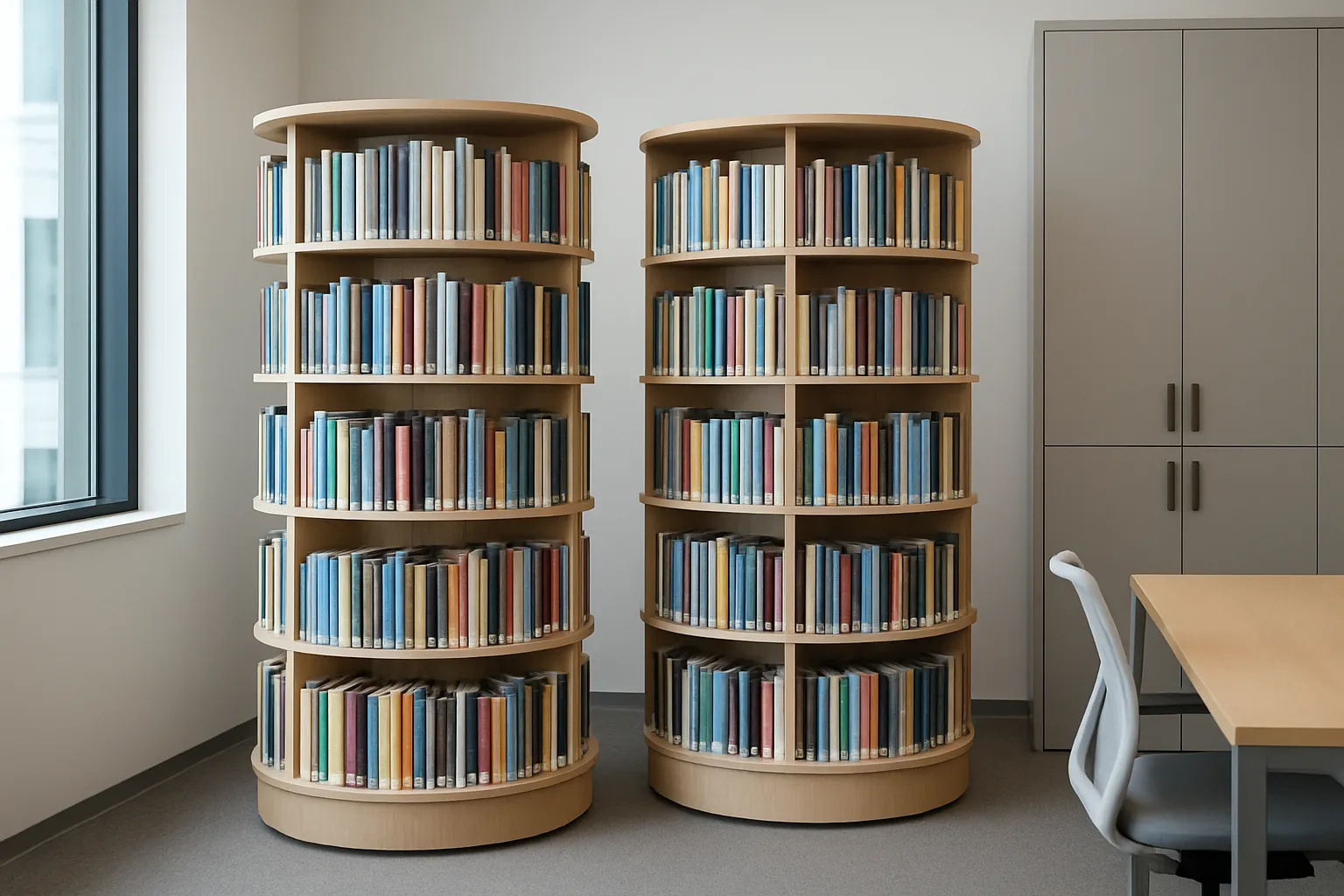
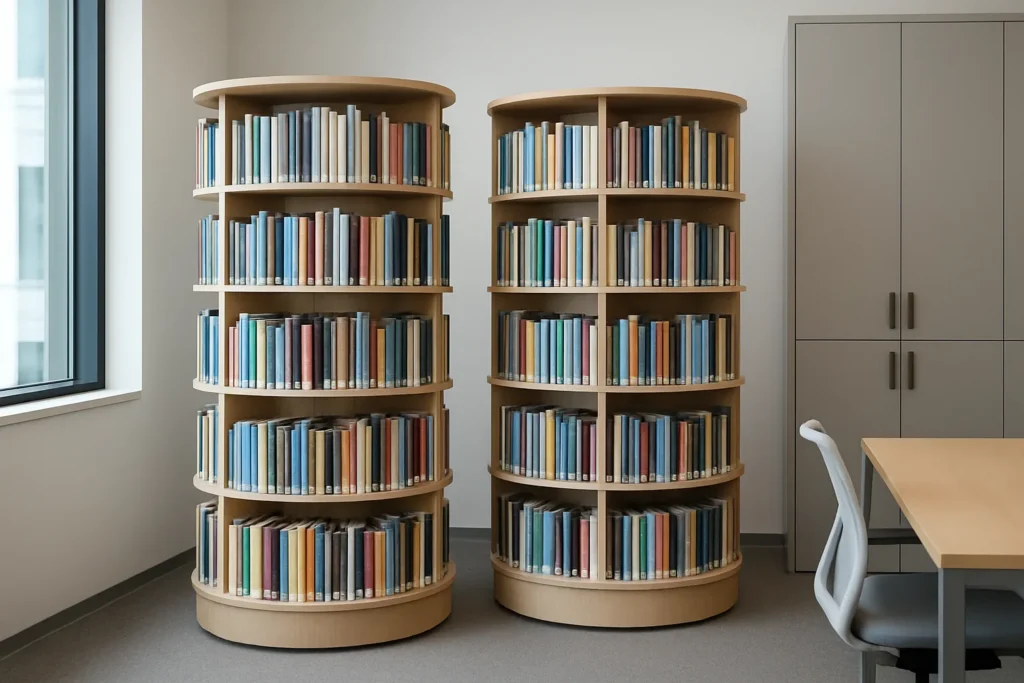
In today’s world, where every square foot counts, finding efficient storage solutions is essential, particularly in commercial environments. Rotating bookshelves have gained popularity as a versatile and innovative approach to optimizing space. Not only do these dynamic storage systems enhance the use of available area, but they also provide a stylish and functional means to store and showcase materials. In my experience, as businesses aim to create organized and accessible spaces, understanding the benefits and applications of rotating bookshelves is crucial for optimizing storage.
When considering the implementation of rotating bookshelves, it’s vital to familiarize oneself with their specifications. These bookshelves are available in various materials—wood, metal, and composite—each offering distinct aesthetic and functional advantages. The sizes and dimensions of rotating bookshelves can vary significantly, allowing businesses to select units that meet their specific spatial requirements. Furthermore, weight capacity is a critical factor; many rotating bookshelves are designed to support substantial weight, making them suitable for heavy books, documents, or merchandise.
Rotating bookshelves find their niche in diverse commercial environments, each benefiting from their unique features. For instance, in libraries and educational institutions, these bookshelves facilitate easy access to a broad range of materials while maximizing floor space. In offices and workspaces, rotating bookshelves can efficiently organize documents and resources, fostering a clutter-free environment. Retail stores and showrooms can also leverage these shelves to display products attractively, enabling customers to browse items effortlessly without crowding the space.
The benefits of space-saving storage solutions like rotating bookshelves are manifold. By maximizing floor space, businesses can cultivate more open and inviting environments. Improved accessibility is another significant advantage; rotating bookshelves allow users to reach items easily, thereby reducing the time spent searching for materials. Additionally, these bookshelves can enhance the overall aesthetics of a space, providing a modern and sophisticated look that elevates the design of any commercial setting.
When comparing rotating bookshelves to traditional shelving, the differences in space utilization become strikingly clear. Rotating bookshelves can accommodate more items within a smaller footprint, making them a more efficient choice for businesses with limited space. Cost-effectiveness is another consideration; while the initial investment may be higher, the long-term savings on space and the potential for increased productivity often justify the cost. Versatility is yet another advantage, as rotating bookshelves can be adapted for various uses, from storing books to displaying merchandise.
When sourcing rotating bookshelves, businesses should identify reputable suppliers and manufacturers known for their quality and reliability. Factors to consider include the specific needs of the business, budget constraints, and desired aesthetic. Customization options are also available, allowing businesses to tailor the design, size, and materials of the bookshelves to fit their unique requirements. Engaging with suppliers who offer a range of customization can lead to a more effective and satisfying storage solution.
Successful implementation of rotating bookshelves requires careful planning and design considerations. Businesses should assess their space and determine the optimal locations for these shelves to maximize efficiency. The installation process typically necessitates professional assistance to ensure that the units are properly and safely set up. Maintenance tips should also be provided to ensure longevity; regular checks and cleaning can help keep the rotating mechanisms functioning smoothly and the shelves looking pristine.
What is a rotating bookshelf? A rotating bookshelf is a storage unit designed to allow easy access and organization of materials through a rotating mechanism, often aimed at saving space.
How much space can be saved? The space saved varies based on the design and size of the rotating bookshelf, but many can store significantly more items than traditional shelving within the same footprint.
Are rotating bookshelves suitable for all businesses? While they are particularly advantageous in environments with limited space, such as offices, libraries, and retail spaces, rotating bookshelves can be adapted to suit various business needs and settings.
In conclusion, rotating bookshelves represent an innovative solution for enhancing space efficiency in commercial settings. Their unique specifications, diverse use cases, and numerous benefits make them a valuable addition to any business seeking to optimize storage and improve accessibility. By understanding the advantages and implementation strategies for these shelves, companies can make informed decisions that support their operational goals.